Blog
Women’s Haircuts in Dubai: How to Choose the Right Cut for Your Hair
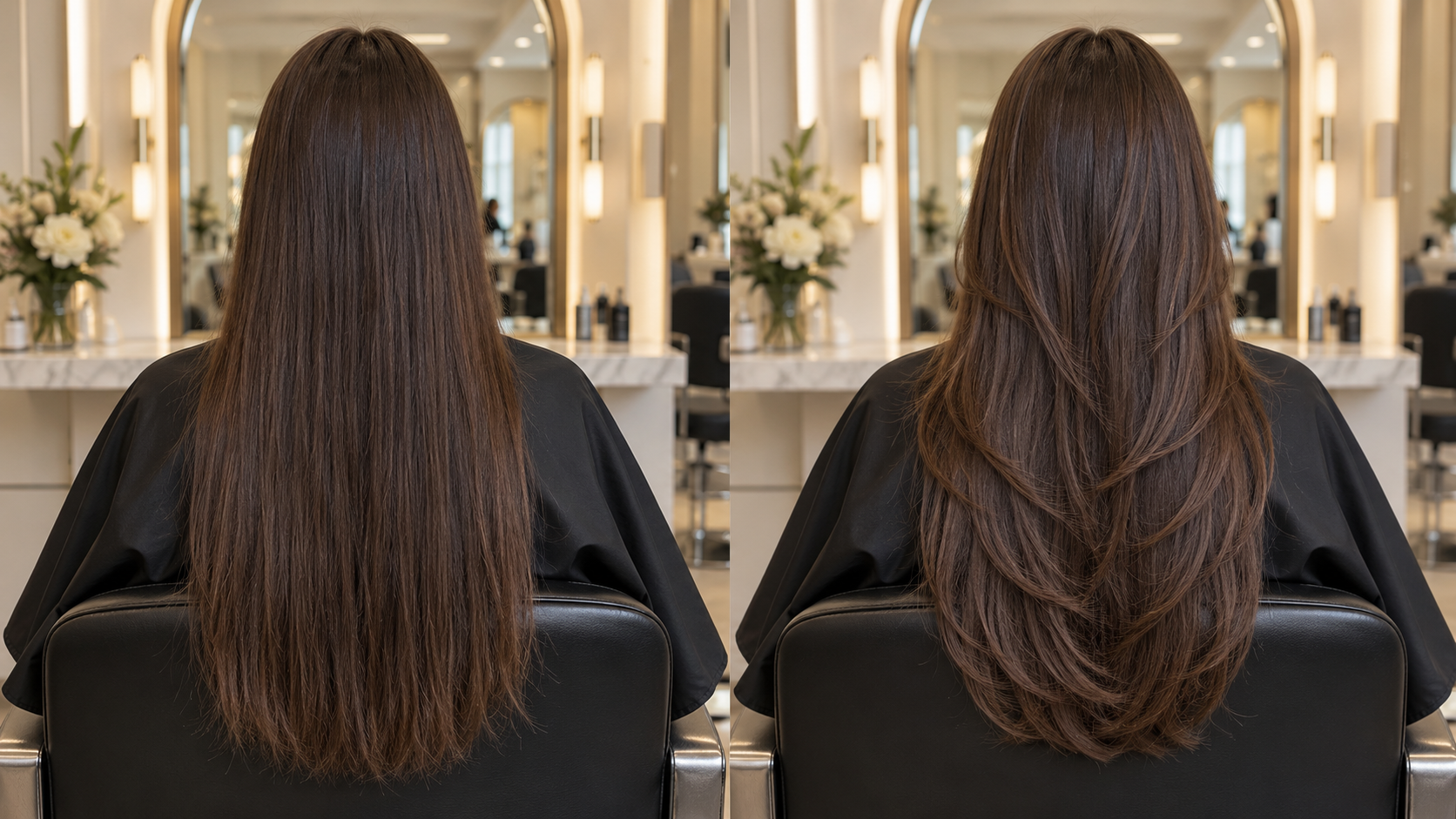
A good haircut should do more than follow a trend. It should complement your face, work with your natural texture and fit comfortably into your daily routine.
From long layers and face-framing cuts to bobs, lobs and pixie styles, women’s haircuts can create movement, remove damaged ends, improve volume and make the hair easier to manage.
At Hani Hair in JLT, Dubai, every haircut begins with a professional consultation. We consider the client’s hair texture, density, condition, face shape, lifestyle and preferred styling routine before recommending a suitable shape and length.
Why Is a Haircut Consultation Important?
Two clients may request the same haircut but require completely different techniques to achieve it.
Before cutting, the stylist should assess:
- Natural texture and curl pattern
- Hair thickness and density
- Current length and shape
- Areas of breakage or damage
- Previous chemical treatments
- Natural growth patterns
- Face shape and facial features
- Daily styling routine
- Desired maintenance level
- Whether the client wears hair extensions
Reference photographs can help communicate your preferences, but the finished result may vary depending on your natural hair. Your stylist should explain which elements of the reference can be recreated and whether any adjustments are required.
Popular Haircuts for Women
Long Layers
Long layers remove weight and create movement while preserving most of the overall length.
They may suit clients who have long or medium-length hair that feels heavy, flat or lacking in shape. Layers can also help waves and curls move more freely.
The correct amount of layering depends on the density of the hair. Excessive layering may make fine hair appear thinner, while very subtle layers may not create enough movement in thick hair.
Face-Framing Layers
Face-framing layers are shorter sections shaped around the front of the face. They can begin near the cheekbones, jawline or below the chin, depending on the desired effect.
They are often chosen to:
- Add softness around the face
- Create movement without removing substantial length
- Refresh long hair
- Complement a fringe
- Enhance a blow-dry or curled finish
The shortest point should be selected carefully according to the client’s features, texture and usual hairstyle.
The Butterfly Cut
The butterfly cut combines shorter face-framing layers with longer layers through the lengths. When styled with volume, the layers create a soft, flowing shape while allowing the client to retain long hair.
This cut is often considered by clients who want visible movement and volume without changing to a short hairstyle.
It normally requires blow-drying or styling to show its full shape. On naturally straight or fine hair, the layered effect may appear softer without styling.
The U-Shaped Haircut
A U-shaped haircut is longer through the centre of the back and gradually shorter towards the sides, forming a soft curve.
It can maintain length while giving the ends a more polished shape. The U shape also works well with long layers and can help thick hair fall more naturally.
The V-Shaped Haircut
A V-shaped haircut creates a more defined point through the centre of the back.
It can provide a dramatic appearance on long hair, especially when combined with layers. However, if the hair is fine or the ends are already thin, a strong V shape may make the perimeter appear less full.
The Blunt Cut
A blunt haircut creates a clean, even perimeter with minimal visible layering.
This style can make fine or medium-density hair appear fuller because more of the hair finishes at approximately the same length. It is commonly used for bobs, lobs and straight medium-length cuts.
Although the shape looks simple, precise cutting is essential. Regular trims may be required to keep the line looking sharp.
The Lob
A lob, or long bob, usually falls between the jawline and the shoulders.
It offers the polished shape of a bob while retaining enough length for different styling options. Depending on the client’s hair, it may be worn blunt, softly layered, straight, wavy or slightly longer at the front.
A lob can be a practical option for clients who want a noticeable change without choosing a very short haircut.
The Classic Bob
A classic bob normally finishes around the jawline or slightly below it.
Different variations include:
- Blunt bob
- Layered bob
- Graduated bob
- French bob
- Chin-length bob
- Angled bob
The correct bob length is important because the perimeter can draw attention to a particular area of the face. Hair density, texture and natural movement must also be considered before choosing the final shape.
The Pixie Cut
A pixie is a short haircut with closely cut sides and back, usually leaving more length through the top.
It can look elegant and modern, but it is not necessarily maintenance-free. Short styles often require regular trimming to preserve their shape, and some clients may need daily styling around the crown or fringe.
A detailed consultation is recommended before making a significant change from long hair to a pixie cut.
What Types of Fringe Are Available?
A fringe can transform a haircut without removing much length from the rest of the hair.
Curtain Fringe
A curtain fringe is usually shorter in the centre and gradually becomes longer towards the sides. It creates a soft frame around the face and can blend into face-framing layers.
Side-Swept Fringe
A side-swept fringe falls diagonally across the forehead. It may suit clients who want softness around the face without committing to a full, straight fringe.
Full Fringe
A full fringe covers more of the forehead and can be cut blunt, rounded or slightly textured. It usually requires more frequent trimming and daily styling.
Wispy Fringe
A wispy fringe is lighter and less dense than a traditional full fringe. It can create a softer result, particularly on fine or medium-density hair.
Fringes may react differently in humid weather, especially if the hair is naturally wavy, curly or prone to frizz. Dubai’s climate and the client’s willingness to style the fringe should be considered before cutting.
Which Haircut Is Best for Fine Hair?
Fine hair often benefits from shapes that preserve weight through the perimeter.
Possible options include:
- A blunt bob
- A collarbone-length lob
- A one-length medium cut
- Very soft, carefully positioned layers
- Light face-framing around the front
Too many short layers may reduce the appearance of fullness. However, the best choice depends on both the thickness of the individual strands and the overall density of the hair.
Which Haircut Is Best for Thick Hair?
Thick hair may benefit from controlled layering, internal weight removal or a carefully shaped perimeter.
Suitable approaches can include:
- Long layers
- A layered lob
- Face-framing layers
- A U-shaped perimeter
- Internal layers for movement
- Graduated shapes for selected short styles
Removing too much weight may cause the hair to expand or become difficult to control. The stylist should consider how the hair behaves naturally and how it changes after washing.
Which Haircut Is Best for Curly or Wavy Hair?
Curly and wavy hair should be cut according to its natural movement, shrinkage and density.
A suitable haircut can improve curl definition, reduce unwanted heaviness and create a more balanced shape. Layering may help some curls move more freely, but excessively short layers can create unwanted volume.
Before the appointment, explain whether you normally wear your hair naturally curly, blow-dried or straightened. This helps the stylist design a cut that works with your usual styling routine.
Should You Choose a Haircut Based on Face Shape?
Face shape can be a useful consideration, but it should not be treated as a strict rule.
A stylist may use length, layers, volume and fringe placement to highlight or soften particular features. For example:
- Face-framing layers may draw attention to the cheekbones
- A longer fringe may soften the sides of the face
- Crown volume may create the appearance of additional height
- A bob perimeter may highlight the jawline
- Longer front sections may create a lengthening effect
Personal preference remains important. The best haircut is one that makes you feel comfortable and works with your hair.
Can a Haircut Make Hair Look Thicker?
A haircut cannot increase the number of hairs on the scalp, but the correct shape can make the hair appear fuller.
A stronger perimeter, suitable length and carefully controlled layering can reduce the appearance of thin ends. Removing damaged or transparent ends may also make the remaining hair look healthier and denser.
If you are experiencing sudden, patchy or unexplained hair loss, a haircut is not a medical treatment. Seek advice from an appropriate healthcare professional before relying on a cosmetic service.
Can Cutting Hair Make It Grow Faster?
Cutting the ends does not change the rate at which hair grows from the scalp.
Regular trims can help remove split or weakened ends before they break further. This may allow the hair to retain length more successfully and appear healthier as it grows.
Hair growth rate is influenced by factors such as genetics, general health, nutrition, hormones and scalp condition.
How Often Should Women Have a Haircut?
The ideal schedule depends on the haircut, hair condition and desired length.
General guidance may include:
| Haircut or goal | Possible trimming schedule |
|---|---|
| Pixie or very short cut | Approximately every 4–6 weeks |
| Bob or structured lob | Approximately every 6–8 weeks |
| Medium or long layered hair | Approximately every 8–12 weeks |
| Growing the hair longer | As needed to remove damaged or split ends |
| Fringe maintenance | Approximately every 2–4 weeks |
These timeframes are not fixed rules. Chemically processed hair, frequent heat styling and visible breakage may require more frequent attention.
Haircuts and Hair Extensions
The finishing haircut is an important part of a natural-looking hair-extension transformation.
After installation, the natural hair and extension hair should be blended so that visible shelves, gaps or heavy lines are minimised. The stylist may use controlled layering, face-framing and point-cutting to create a smoother transition.
If you already wear extensions, inform the stylist before your haircut. Cutting extension hair requires an understanding of the placement and attachment method. Excessive thinning or very short layers may make the extensions more difficult to conceal.
Do not cut around tape, Ice, keratin, ring or weft attachments at home.
How to Prepare for Your Haircut Appointment
To help your stylist understand the result you want:
- Bring two or three realistic reference photographs
- Explain how you normally style your hair
- Mention previous colour, bleach or chemical treatments
- Tell the stylist if you wear extensions
- Discuss how much daily styling you are prepared to do
- Clearly confirm the amount of length you are comfortable removing
- Mention any areas that feel thin, damaged or difficult to manage
It can also be helpful to show the stylist what you do not want.
How to Maintain Your Haircut
To keep the shape looking polished:
- Use products suitable for your texture
- Apply heat protection before styling
- Avoid excessive temperatures
- Detangle gently, beginning at the ends
- Use the styling technique demonstrated by your stylist
- Protect the hair from excessive sun, chlorine and salt water
- Return for maintenance before the shape becomes difficult to manage
- Avoid attempting major corrections or fringe cuts at home
Book a Women’s Haircut at Hani Hair Dubai
The right haircut should suit your natural hair, facial features and everyday lifestyle—not simply the latest trend.
At Hani Hair in JLT, Dubai, our stylists provide personalised women’s haircuts, including long layers, face-framing cuts, bobs, lobs, fringes and extension-blending haircuts.
During your consultation, we will assess your hair’s texture, density, condition and current shape before recommending a customised result.
Contact Hani Hair to book your haircut consultation and discover a style designed for you.
Related Posts
Balayage vs Highlights in Dubai: Which Is Right for You?
-
Posted by
Hani Hair
Ice Hair Extension Maintenance: What Happens During a Refill Appointment?
-
Posted by
How Many Hair Extensions Do You Need for a Full Head?
-
Posted by
Which Hair Extension Method Is Best for Fine or Thin Hair?
-
Posted by
Professional Blow-Dry and Hairstyling in Dubai: Styles, Benefits and What to Expect
-
Posted by
Different Types of Hair Colour: Balayage, Highlights, Full Colour and More
-
Posted by
Different Types of Hair Treatments: Which One Is Right for Your Hair?
-
Posted by