Blog
Why Is CombLine Ideal for the Front, Top and Crown Areas With Low Hair Density?
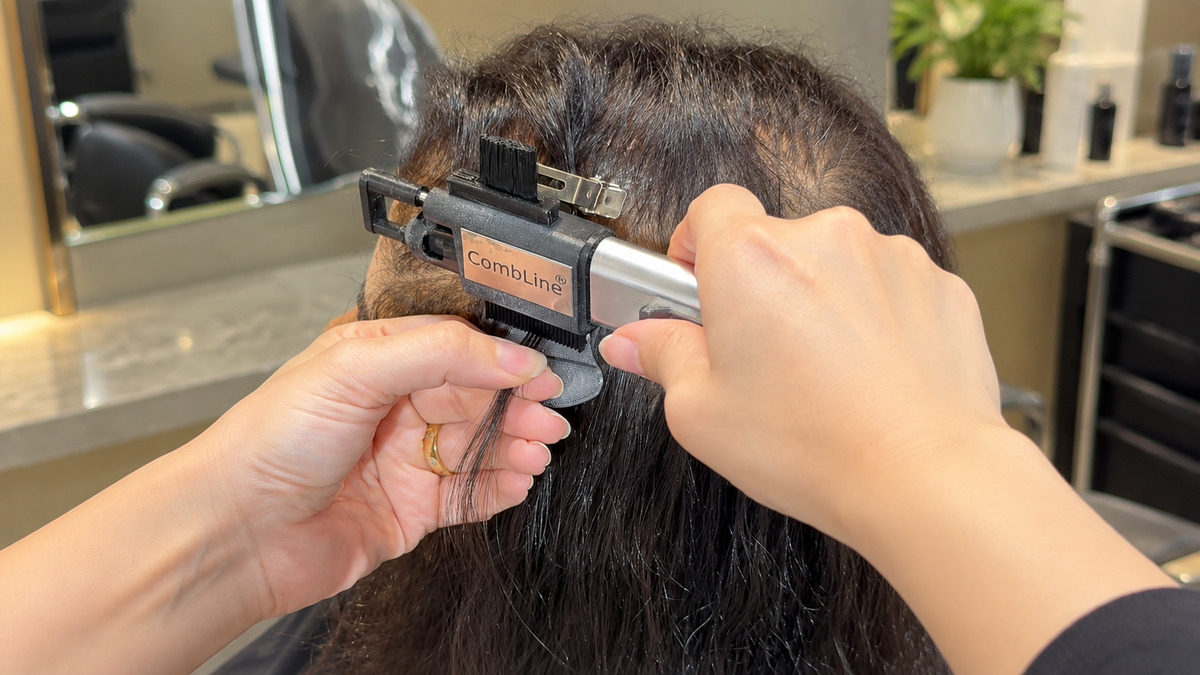
Hair extensions are often associated with adding dramatic length and volume through the back of the hair. However, many clients are less concerned about length and more concerned about visible gaps around the hairline, temples, parting or crown.
These areas can be difficult to improve using traditional extensions. Tape-ins, rings and standard keratin bonds usually require enough natural hair to support and conceal their attachment points. When density is very low, these attachments may be too large, heavy or visible.
CombLine offers a more targeted solution. It allows small amounts of extension hair to be placed precisely in areas where conventional methods may be difficult to conceal.
At Hani Hair in JLT, Dubai, CombLine is used as a customised density-enhancement service. It may be applied alone or combined with another extension method, depending on the client’s natural hair and desired result.
What Are CombLine Hair Extensions?
CombLine is a professional extension method designed to add small sections of hair directly to carefully selected natural hairs.
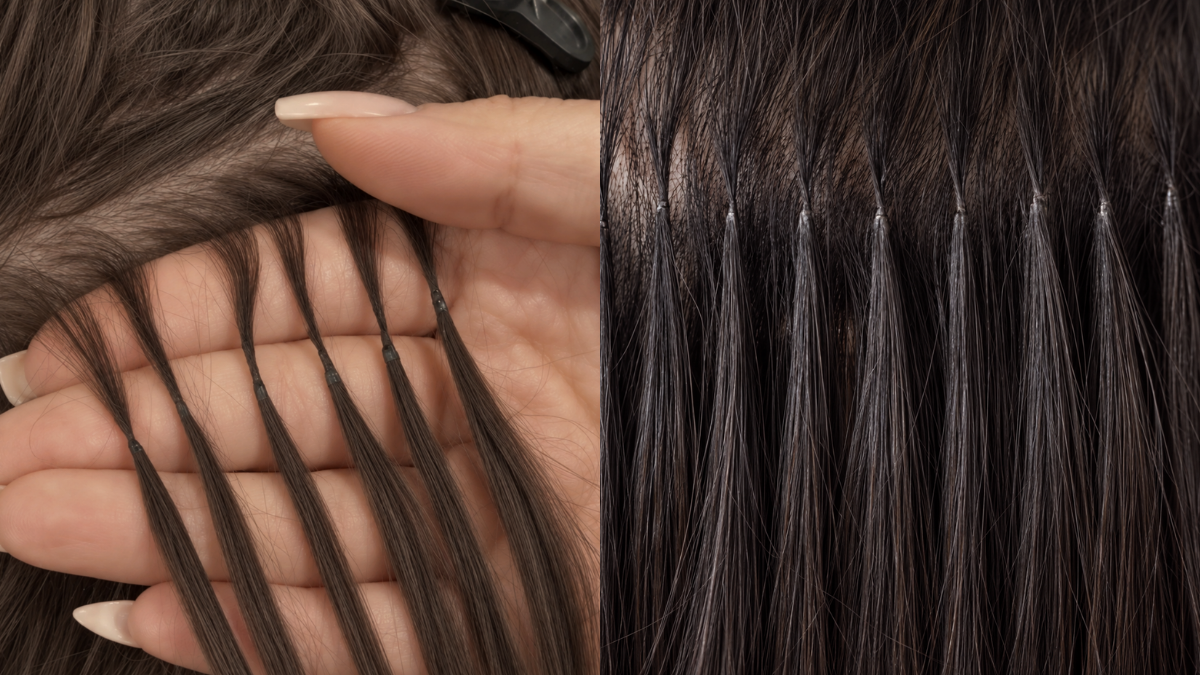
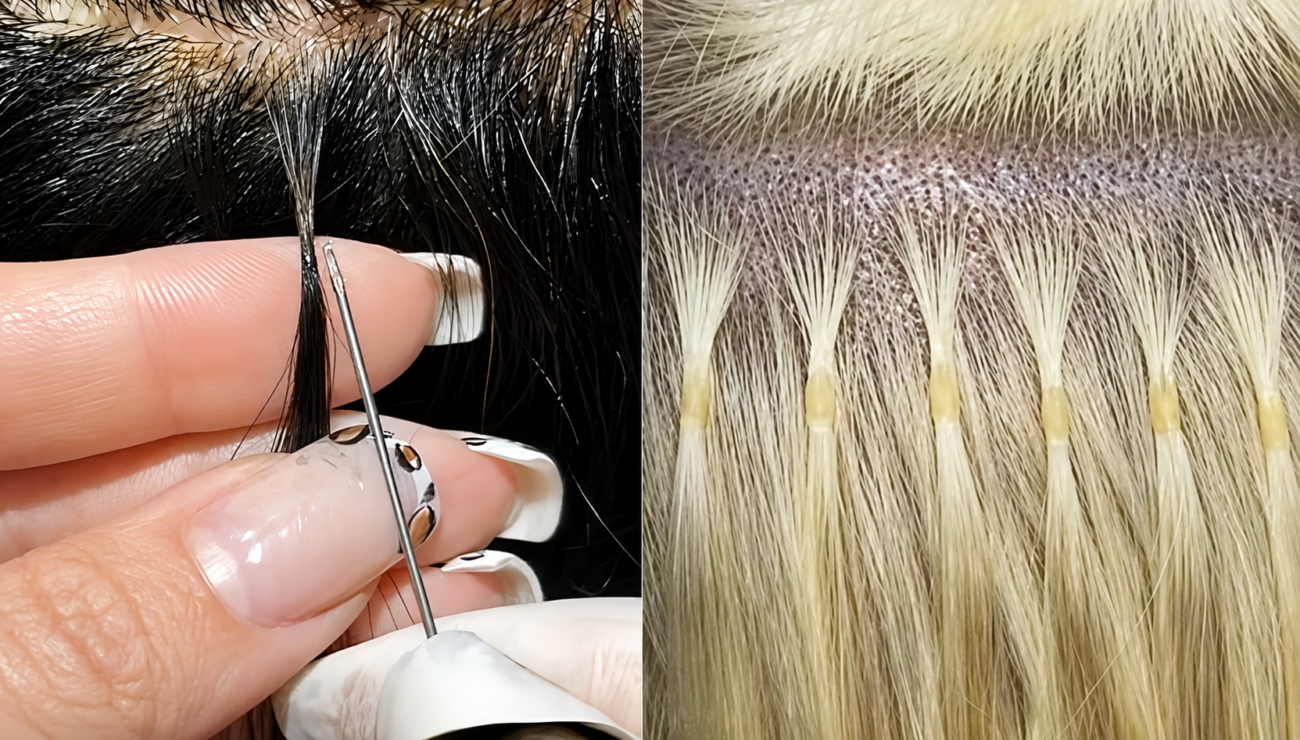
Rather than attaching a wide tape, metal ring or traditional capsule, the stylist uses a specialised application tool and bonding material to create compact attachment points. The amount of extension hair used in each section can be controlled according to the strength and density of the client’s natural hair.
This makes CombLine particularly useful for detailed work in visible areas, including:
- The front hairline
- The temples and sides
- The top of the head
- The parting
- The crown
- Small gaps between other extensions
- Areas requiring targeted volume rather than additional length
CombLine is sometimes described as a “finishing method” because it can fill areas that a full-head extension installation does not adequately address.
Why Are the Front and Crown Difficult Areas for Extensions?
The front, top and crown are among the most visible areas of the head. The natural hair moves frequently in these areas, and changes in direction around the hairline, parting and crown can make attachment placement more complicated.
There may also be less hair available to cover an extension attachment. A tape tab that remains hidden at the back of the head could become noticeable near the parting. A ring or standard bond may also show when the hair moves or is styled away from the face.
The hair around the temples and front hairline is often finer and more delicate than the hair through the back. This means a stylist cannot simply add a standard extension strand without considering its weight.
Professional extension selection should always match the weight of the added hair to the density and strength of the natural section. Excessive weight or tension can place unnecessary stress on the roots, particularly when the natural hair is already fine.
Why Can CombLine Look More Discreet?
The main advantage of CombLine is the size and placement flexibility of its attachment points.
The stylist can apply relatively small amounts of extension hair between the client’s natural strands. Instead of creating one large connection, the added density can be distributed through multiple fine sections.
This allows the stylist to work closer to visible areas while still planning the placement around the natural direction of the hair.
When correctly applied, the attachments should sit discreetly among the natural hair. The new strands help soften visible gaps without creating a heavy or obvious line.
However, CombLine should not be described as completely invisible. The result still depends on:
- The amount of natural hair available
- The strength of the individual hairs
- Attachment size and placement
- Colour and texture matching
- The client’s parting and usual hairstyles
- The amount of density being added
- Professional cutting and blending
Very low density requires careful expectations. Adding too much hair can make the attachments more noticeable and may place unnecessary weight on the natural hair.
Why Is CombLine Helpful Around the Hairline?
The hairline requires precise work because it is exposed whenever the hair is pushed behind the ears, moved by the wind or styled away from the face.
Traditional extensions normally need to be positioned farther away from the hairline so that sufficient natural hair remains above and around them. As a result, the very front may still appear thin even after a full-head installation.
CombLine can be used to add carefully controlled strands closer to the front and temple areas. These strands may help:
- Soften a sparse-looking hairline
- Create greater fullness around the face
- Reduce visible gaps near the temples
- Improve the balance between the front and back
- Support a more flattering face-framing shape
- Blend another extension method into finer areas
The stylist must still maintain a safe distance from the scalp and avoid placing attachments on hairs that are too weak to support them.
Why Does CombLine Work Well on the Top and Parting?
The top and parting are difficult to treat because there is little hair above them to conceal an attachment.
A visible tape, ring or larger bond can be difficult to hide when the hair naturally separates. CombLine provides more freedom to place small strands around the parting without forming a wide, continuous attachment line.
Carefully added strands can make the top appear fuller and reduce the amount of scalp visible through the hair. They may also provide more flexibility when styling the parting.
Placement must be planned around how the hair naturally falls. Applying strands against the growth direction can cause the attachments to sit incorrectly or become more noticeable.
Why Is CombLine Suitable for the Crown?
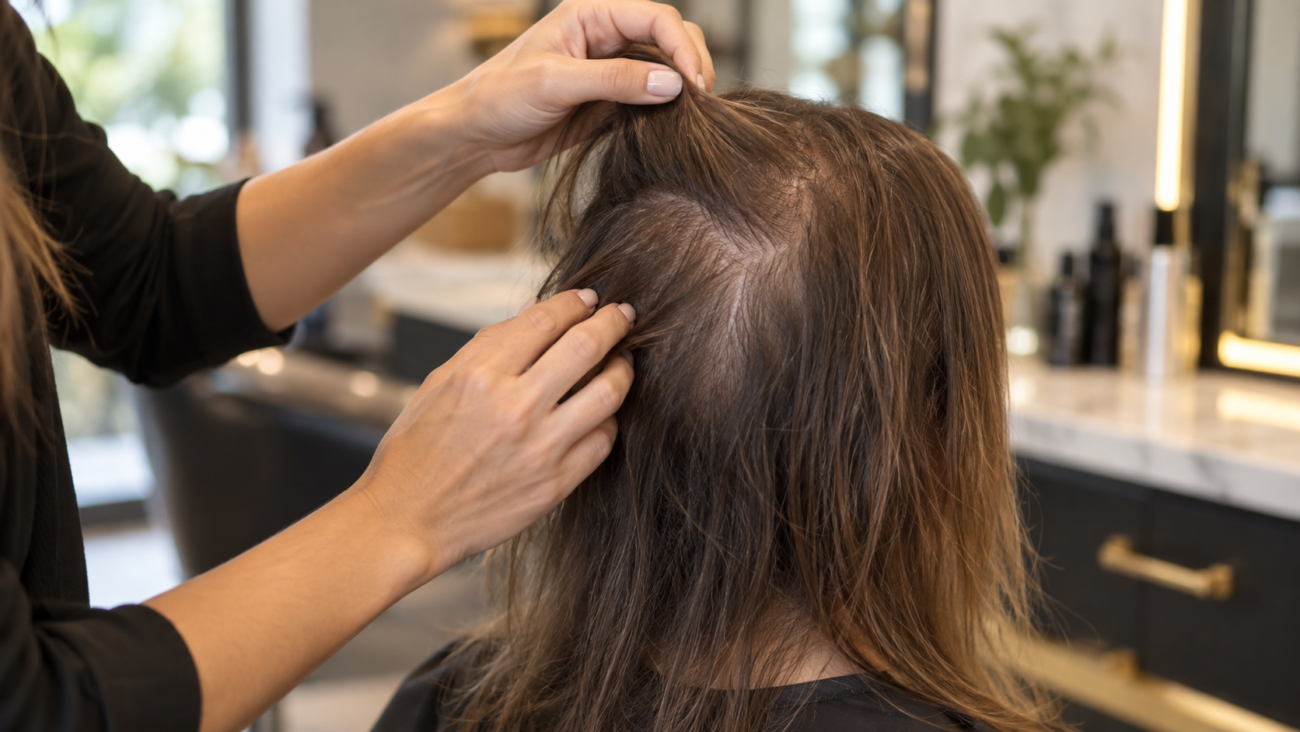
The crown contains a natural growth pattern, often forming a swirl or changing direction. This can cause the hair to separate and expose the scalp, particularly when density is low.
Standard extensions positioned too close to the crown may show because the natural hair does not always fall straight over them. CombLine allows the stylist to follow the crown’s movement and place smaller sections where additional density is needed.
The goal is not to cover the scalp with a heavy layer of extension hair. It is to improve the distribution of hair around the crown so the area appears softer and more balanced.
CombLine is commonly promoted for adding targeted density to areas such as the crown, parting and hairline where other methods can be difficult to place.
Can CombLine Be Combined With Other Extension Methods?
Yes. CombLine can be especially effective as part of a combination application.
For example, tapes, keratin, Ice or ring extensions may provide the main length and volume through the back and sides. CombLine can then be used through selected areas at the front, top or crown where the larger attachments cannot be placed discreetly.
A combination plan can create a more complete transformation because each method performs a different role:
- The main extension method builds overall length and volume.
- CombLine fills smaller gaps and refines visible areas.
- Professional cutting connects the natural hair and extensions.
- Colour matching creates a consistent finish.
Not every client needs more than one method. Someone seeking only targeted density may require CombLine alone.
Is CombLine Suitable for Everyone With Thin Hair?
No. Fine or low-density hair does not automatically mean that CombLine is appropriate.
The natural hair must still be strong enough to support the added strands. A stylist should examine the density, elasticity, breakage, scalp condition and pattern of thinning before recommending the service.
CombLine may not be advisable when there is:
- Active or unexplained hair loss
- Severe breakage
- An inflamed, painful or irritated scalp
- Insufficient healthy hair to support the attachments
- A medical scalp condition
- Sensitivity to the products used
- An expectation that extensions will treat the cause of thinning
Hair extensions are a cosmetic density service, not a treatment for hair loss. Anyone experiencing sudden, progressive or unexplained thinning should seek advice from an appropriate medical professional before having extensions installed.
How Long Does CombLine Last?
CombLine is a short-term, detailed extension method. At Hani Hair, it generally lasts for up to approximately three weeks, although the exact wear time depends on the client’s natural growth, hair condition, placement, lifestyle and aftercare.
Because CombLine is commonly used in delicate and highly visible areas, it should be checked more frequently than many traditional extension methods.
As the natural hair grows and sheds, individual attachments may loosen or move away from their original position. Some strands may release gradually rather than remaining attached until a single full removal appointment.
Clients should not pull, cut or pick at the bonds.
How Should You Care for CombLine?
Gentle aftercare is especially important around the front, parting and crown.
Clients should:
- Follow the stylist’s first-wash instructions
- Avoid brushing directly against the attachment points
- Keep oils, masks and heavy products away from the bonds
- Wash without scratching or rubbing the scalp aggressively
- Dry the attachment areas thoroughly
- Avoid tight hairstyles that pull on the treated areas
- Protect the hair from excessive heat
- Attend the recommended follow-up appointment
- Contact the salon if there is discomfort or unusual pulling
Good aftercare helps protect both the appearance of the service and the natural hair supporting it. Hani Hair’s CombLine guidance also recommends avoiding direct brushing, oils and excessive tension around newly bonded areas.
Is CombLine the Best Method for Low-Density Areas?
CombLine can be one of the most useful extension methods for the front, top and crown because it offers small attachment points and highly controlled placement.
However, “best” depends on the individual client. Some people may achieve a better result with small Ice attachments, customised keratin bonds, a hair topper or a combination of methods. Others may not currently be suitable for any extension service.
The correct recommendation should be based on the condition of the natural hair—not only on the appearance the client wants to achieve.
Book a CombLine Consultation at Hani Hair Dubai
Improving low-density areas requires more than simply adding extra hair. The placement, strand weight, colour, direction and attachment size must all be customised to create a natural-looking result.
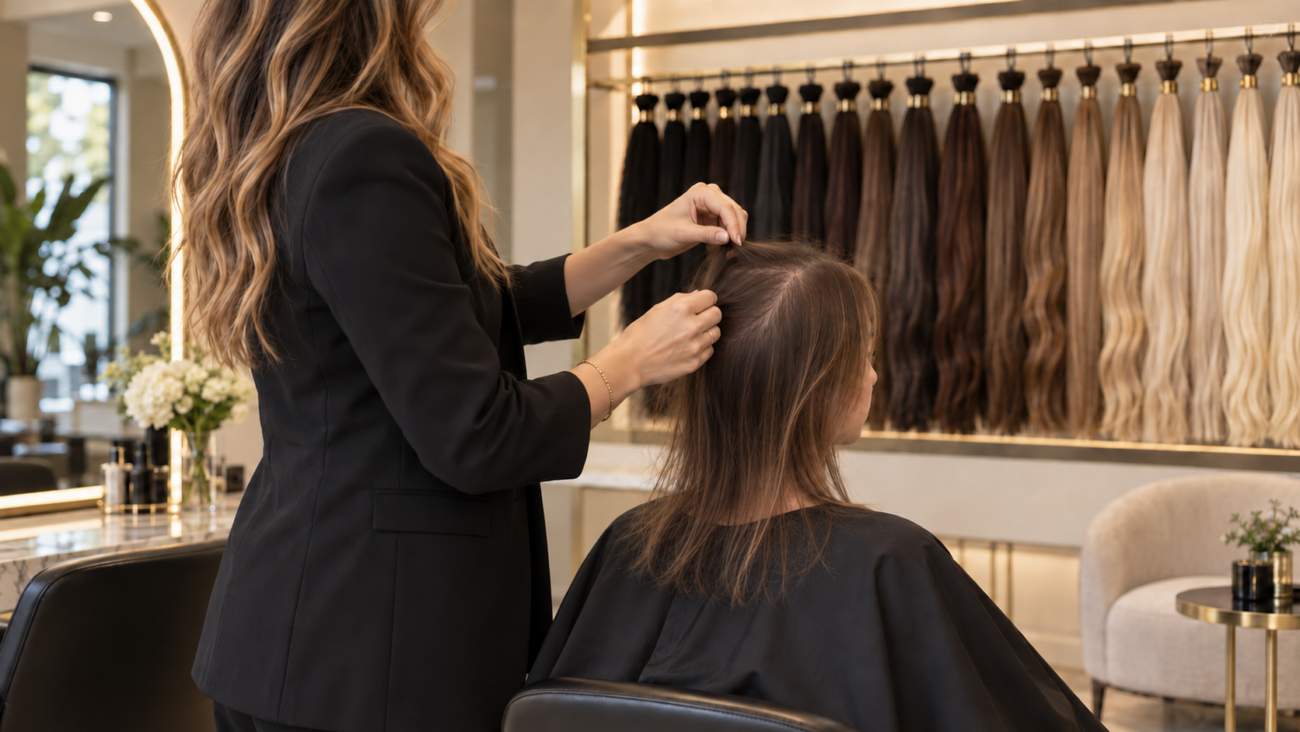
At Hani Hair in JLT, Dubai, our extension specialists assess the front, temples, parting, top and crown before designing a personalised CombLine application. We can also determine whether CombLine should be used alone or combined with another extension method.
Contact Hani Hair to arrange a consultation and discover whether CombLine is suitable for adding discreet, targeted density to your hair.
Related Posts
Why Are Ice and CombLine Extensions the Best Combination for Length, Volume and Thin Areas?
-
Posted by
Hani Hair
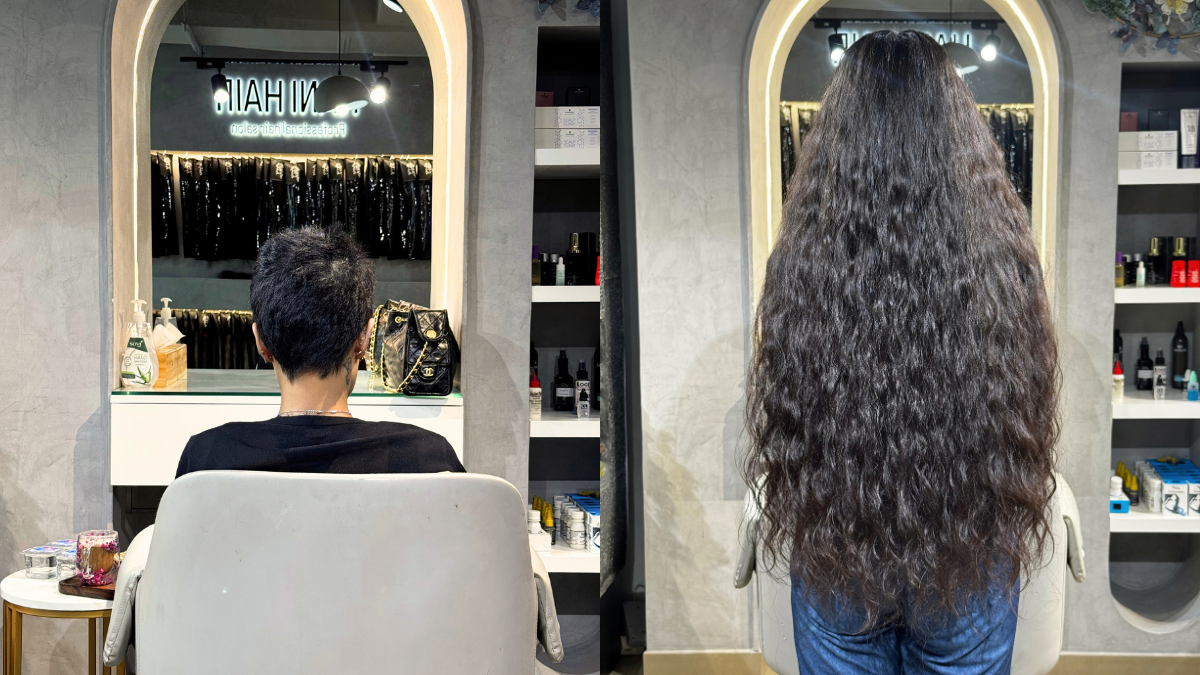
Hair Extensions for Short Hair: How Short Is Too Short?
-
Posted by
Do Hair Extensions Damage Your Natural Hair? The Honest Answer
-
Posted by
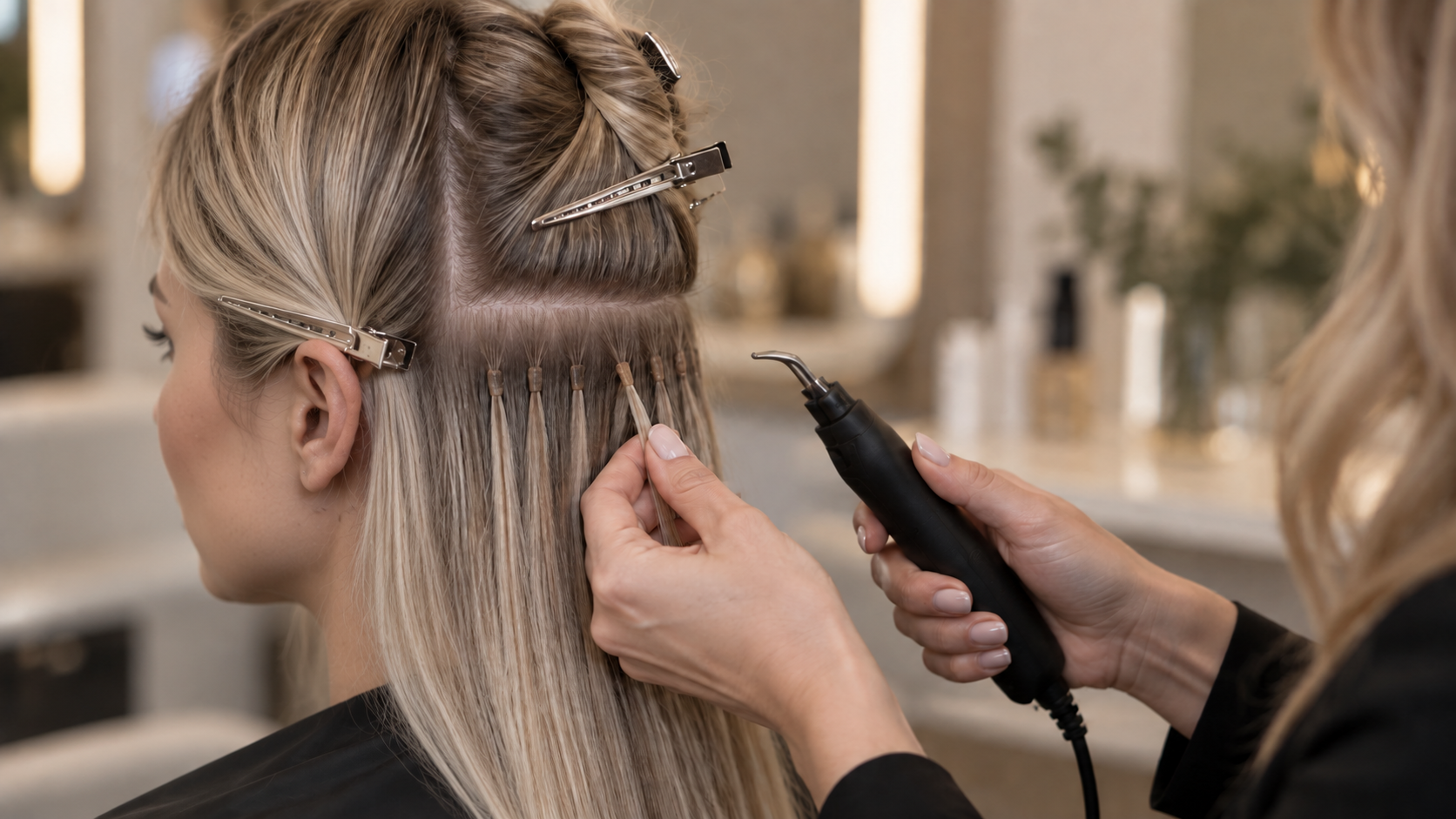
How Long Do Hair Extensions Last? Maintenance Schedules for Every Method
-
Posted by
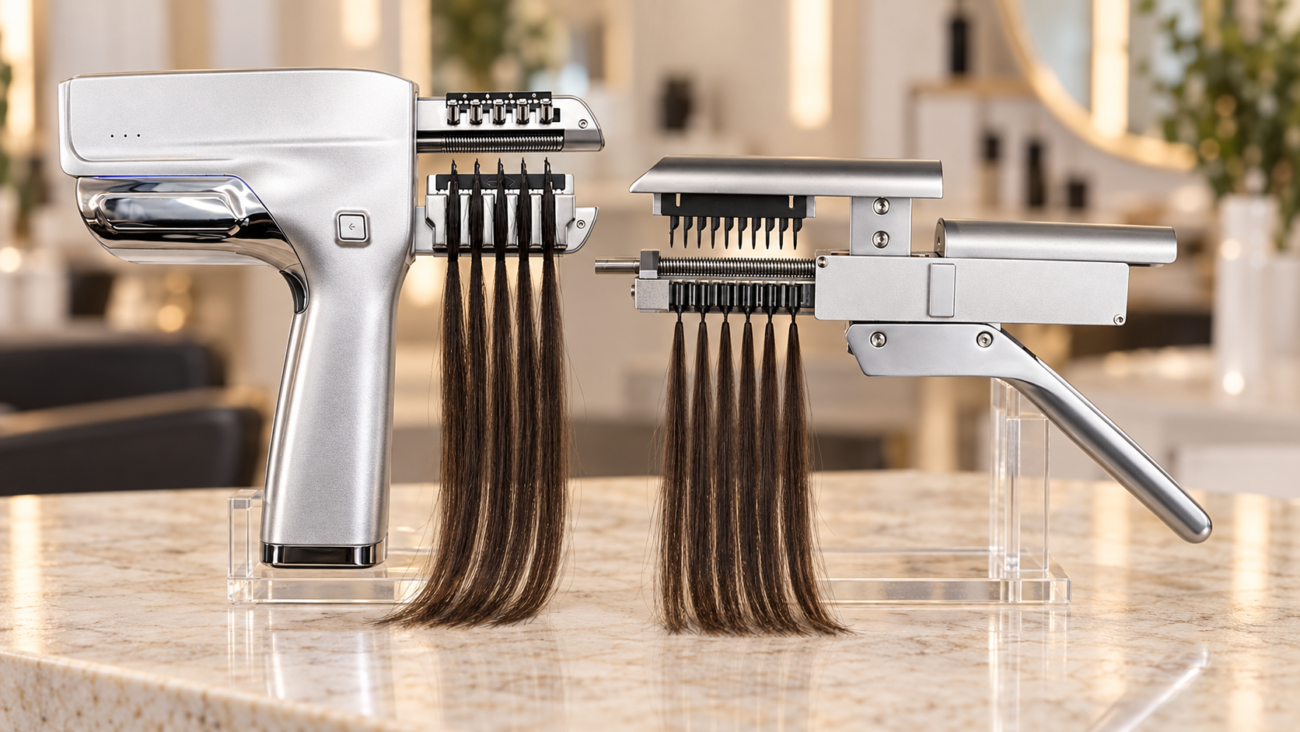
6D Hair Extensions in Dubai: Manual vs Electric Application, Benefits and Aftercare
-
Posted by
Ice Hair Extension Maintenance: What Happens During a Refill Appointment?
-
Posted by
How Many Hair Extensions Do You Need for a Full Head?
-
Posted by
Which Hair Extension Method Is Best for Fine or Thin Hair?
-
Posted by
Ice vs Keratin Hair Extensions: Which Method Is Right for You?
-
Posted by
Clip-In Hair Extensions in Dubai: Instant Length and Volume Without Commitment
-
Posted by
Tape-In Hair Extensions in Dubai: Types, Benefits, Application and Aftercare
-
Posted by
Ring Hair Extensions in Dubai: Micro Rings, Nano Rings and Everything You Need to Know
-
Posted by