
Blog
Tape-In Hair Extensions in Dubai: Types, Benefits, Application and Aftercare
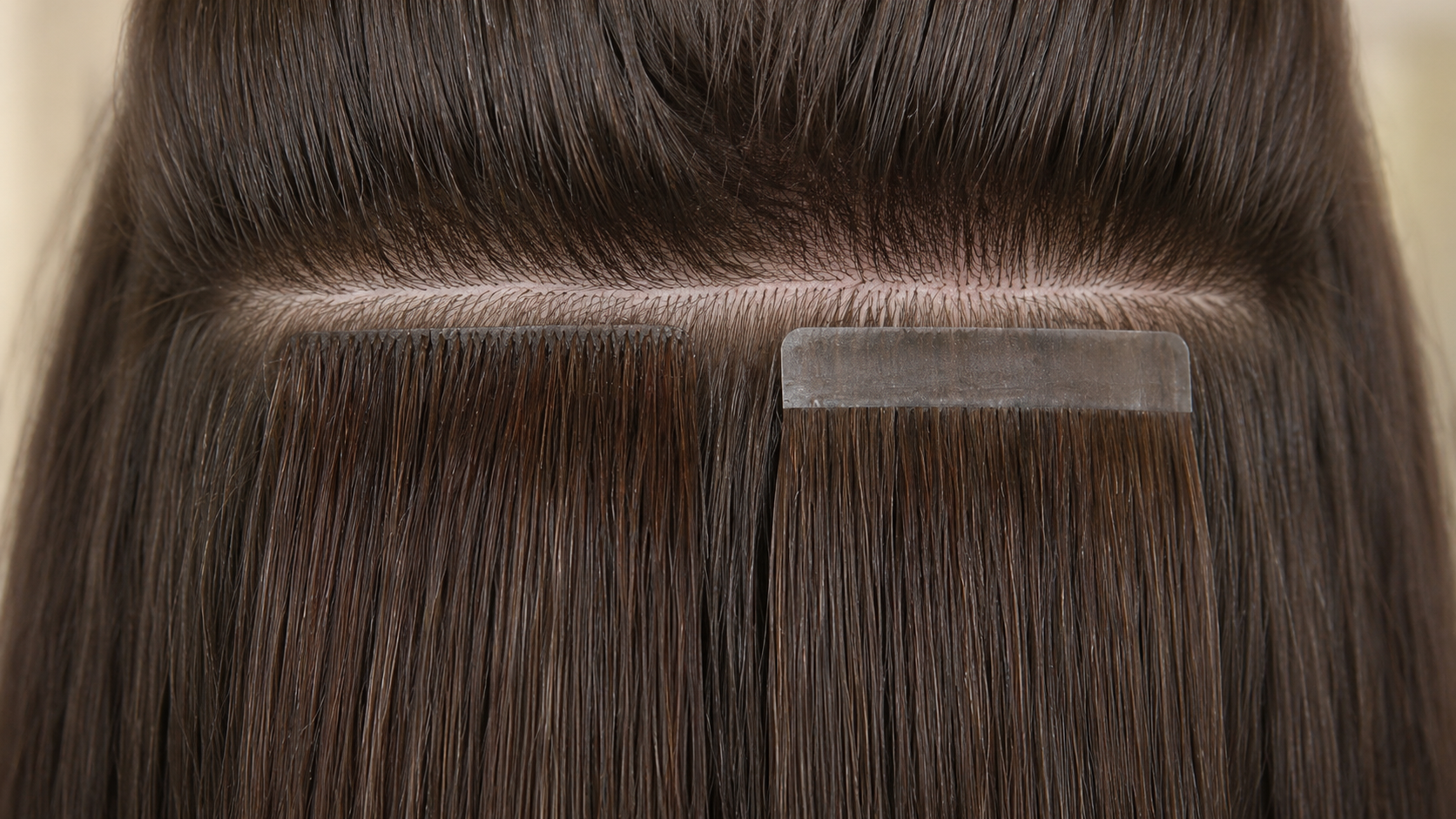
Tape-in hair extensions are a popular professional method for adding length, volume and colour dimension. Their thin, flat attachment points sit close to the head, helping the extensions blend naturally with the client’s own hair.
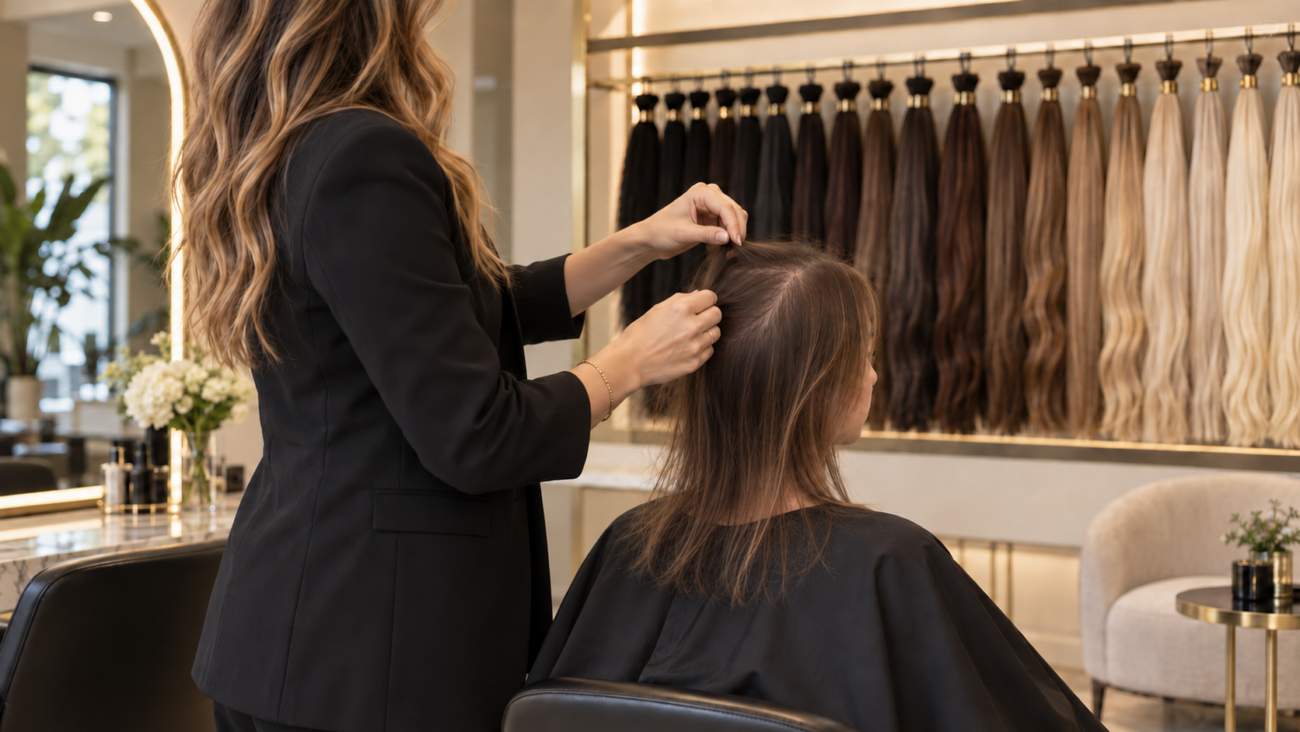
At Hani Hair in JLT, Dubai, every tape-extension application is customised according to the condition, density, colour and length of the natural hair. The placement is carefully planned to create a comfortable result that complements the client’s haircut, lifestyle and desired transformation.
What Are Tape-In Hair Extensions?
Tape-in extensions consist of sections of extension hair attached to thin adhesive tabs.
During installation, a small section of the client’s natural hair is normally placed between two matching tape tabs. This is commonly called the sandwich method.
Once installed, the attachment lies flat against the head. The natural hair above it conceals the tapes, while the extension hair falls through the lengths to create additional fullness or length.
Unlike keratin, Ice or ring extensions, tape extensions are applied in wider sections rather than one individual strand at a time. This can make the installation process faster while still allowing the stylist to customise the placement.
What Types of Tape Extensions Are Available?
Several tape designs are available, and the correct choice depends on the client’s hair and the area being treated.
Regular Tape Extensions
Regular or classic tapes have a visible adhesive strip across the top of the extension section.
They are often used through areas where there is enough natural hair to cover the attachment securely. Classic tapes can be a practical choice for creating overall length and volume.
Invisible Tape Extensions
Invisible or seamless tapes are designed to resemble hair growing from the attachment area. Hair is placed across the surface of the tab, helping to conceal the tape when the natural hair moves.
They can be particularly useful in carefully selected areas where a more discreet attachment is required.
An invisible tape does not mean that placement and coverage are unimportant. The stylist must still leave enough natural hair around the attachment to conceal it correctly.
Regular Tapes vs Invisible Tapes
Both methods can add length and volume, but they differ slightly in appearance and placement.
Regular tapes have a more traditional adhesive tab and work well in areas with sufficient natural coverage. Invisible tapes have hair covering more of the attachment surface, making the tab look more like hair emerging naturally from the scalp.
The best option is not determined by appearance alone. Your stylist should also consider:
- Natural-hair density
- Strength and condition of the hair
- Areas requiring additional volume
- Desired length
- Haircut and usual hairstyles
- Scalp condition
- Maintenance routine
- Lifestyle and styling habits
Some clients may benefit from using a combination of regular and invisible tapes in different areas.
What Are the Benefits of Tape-In Extensions?
Clients often choose tape extensions because they offer:
- Thin and flat attachment points
- A relatively quick professional installation
- Customisable length and volume
- Comfortable weight distribution when correctly fitted
- Natural movement
- Multiple colours and lengths
- Regular and invisible attachment options
- The possibility of professional removal and reapplication
- No daily removal, unlike temporary clip-in extensions
Because the extensions are fitted in sections, they can create significant fullness without requiring hundreds of individual bonds.
Who May Be Suitable for Tape Extensions?
Tape-in extensions may suit clients who have enough healthy natural hair to support and conceal the attachments.
They can be considered by clients who want:
- Longer hair
- Greater overall volume
- Fuller sides or ends
- A flat attachment method
- A reusable professional extension system
- A change that can be maintained through regular salon appointments
However, tape extensions are not automatically suitable for everyone.
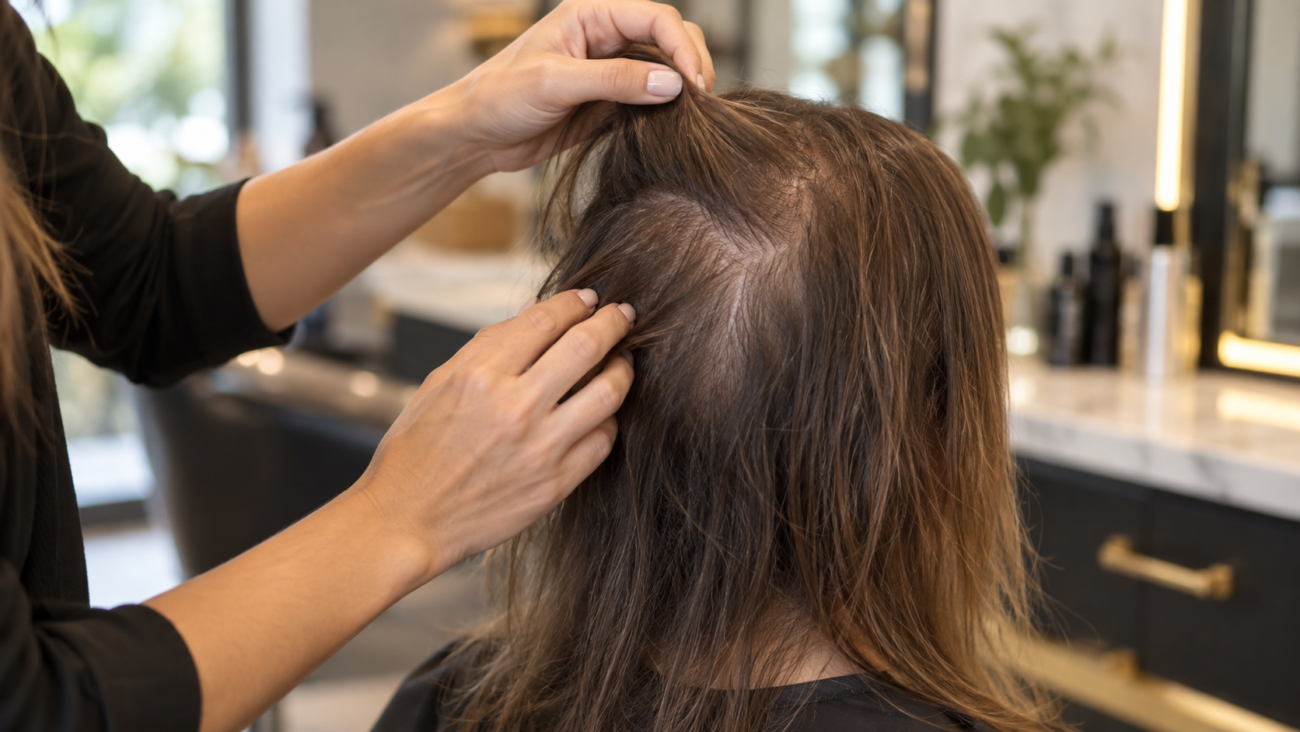
A consultation is especially important if you have active or unexplained hair loss, severe breakage, an irritated scalp, very fragile hair or insufficient density to conceal and support the tapes.
Hair extensions are a cosmetic service and not a treatment for a medical hair or scalp condition. Clients experiencing unexplained hair loss should seek appropriate medical advice before installation.
How Are Tape Extensions Applied?
The appointment begins with an assessment of the natural hair, including its strength, density, colour, length and condition.
The extension hair is then selected to match or complement the client’s natural colour. Multiple shades may be combined to create a multidimensional blend.
The stylist creates clean sections and positions the tapes away from the scalp so that they can move comfortably. For a traditional application, a carefully controlled amount of natural hair is placed between two tape tabs.
Each attachment should contain the correct amount of natural hair. A section that is too thin may carry excessive weight, while a section that is too thick may prevent the tapes from sealing correctly.
After installation, the extension hair is cut and blended into the client’s natural hair. This final stage is essential for creating a seamless transition between the natural hair and extensions.
Are Tape Extensions Visible?
Properly fitted tape extensions should remain concealed during normal wear.
However, visibility depends on the client’s density, placement and hairstyle. Tapes placed too close to the hairline, parting or other exposed areas may become visible—particularly when the hair is tied up.
Your stylist should discuss how you normally wear your hair before planning the placement. Invisible tapes or smaller attachments may be selected for certain areas, but adequate natural coverage is still necessary.
Are Tape Extensions Comfortable?
Tape extensions should feel flat and secure once the client becomes accustomed to them. Mild awareness or tightness may occur immediately after a new installation, but the attachments should not cause persistent pain, strong pulling or scalp irritation.
Contact your stylist if you experience ongoing discomfort, redness, unusual sensitivity or attachments pulling on individual hairs.
Do not attempt to loosen, cut or remove a tape yourself.
How Long Do Tape Extensions Last?
Tape extensions require regular professional maintenance as the natural hair grows.
Many clients require a maintenance appointment approximately every six to eight weeks, but the correct timing varies. Natural growth rate, hair density, scalp oiliness, placement, lifestyle and aftercare can all affect the schedule.
Waiting too long between appointments may allow the tapes to move too far away from the scalp. This can increase visibility, tangling and unnecessary movement at the roots.
Follow the maintenance schedule recommended specifically for your hair.
Can Tape Extensions Be Reused?
Depending on the extension brand, hair quality and condition, tape hair may be suitable for professional reapplication.
During maintenance, the stylist carefully removes the extensions using a suitable professional solution. The attachments are cleaned and prepared with new adhesive tabs before being repositioned closer to the scalp.
The number of possible reapplications depends on how well the extension hair has been maintained. Heat damage, discolouration, dryness, matting or poor home care can shorten its usable life.
Can Tape Extensions Damage Natural Hair?
No professional extension method should be described as completely risk-free.
The likelihood of damage can be reduced through:
- A proper consultation
- Correctly weighted extension sections
- Careful placement
- High-quality products
- Gentle home care
- Regular maintenance
- Professional removal
- Resting or modifying the application when the natural hair requires it
Pulling out loose tapes, delaying maintenance or attempting removal at home may damage the natural hair.
Is Some Shedding or Slipping Normal?
A small amount of natural shedding may be visible during removal because hairs that would normally have shed can remain held within the attachment until maintenance.
Occasional loosening can also happen, especially if oils, conditioner or heavy products have been placed near the tabs.
Contact your salon if:
- Several tapes loosen suddenly
- The attachments repeatedly slide
- You experience painful pulling
- The roots become severely tangled
- The scalp becomes irritated
- A tape begins hanging from only a few natural hairs
Do not glue, retape or remove the extensions yourself.
Tape Extensions vs Strand-by-Strand Extensions
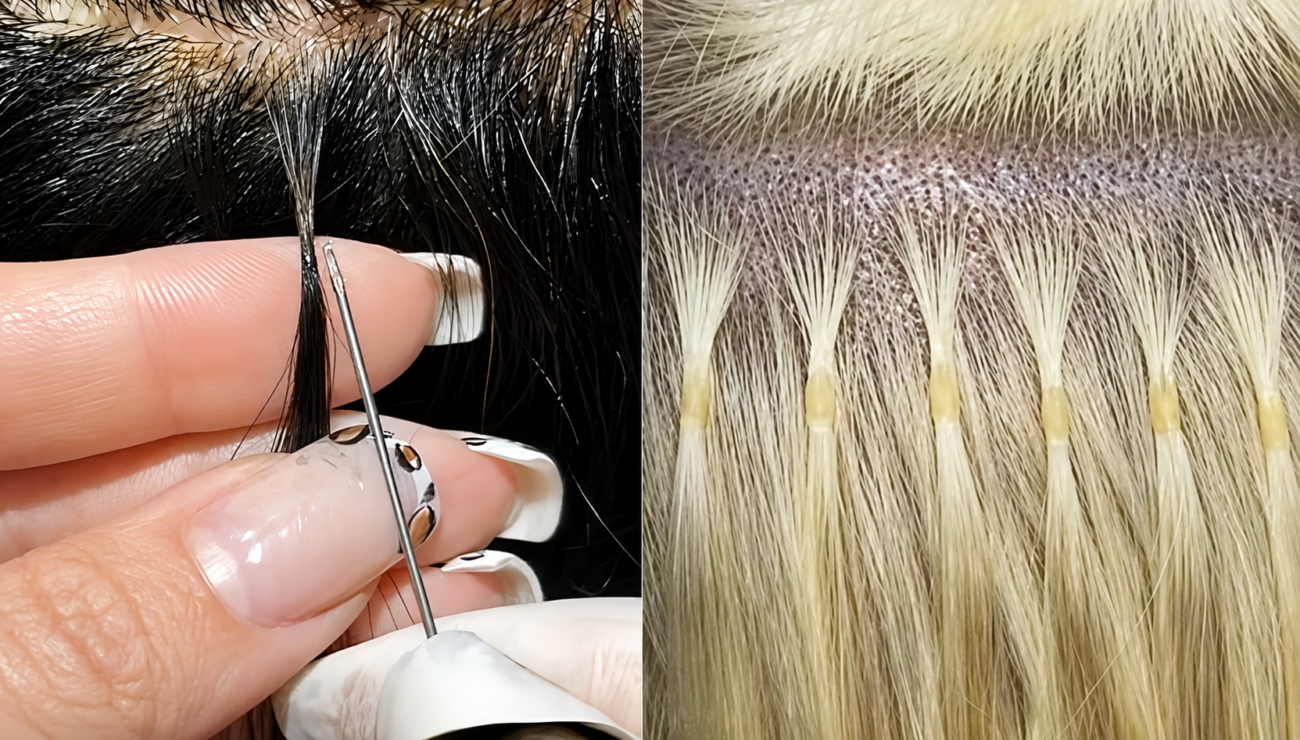
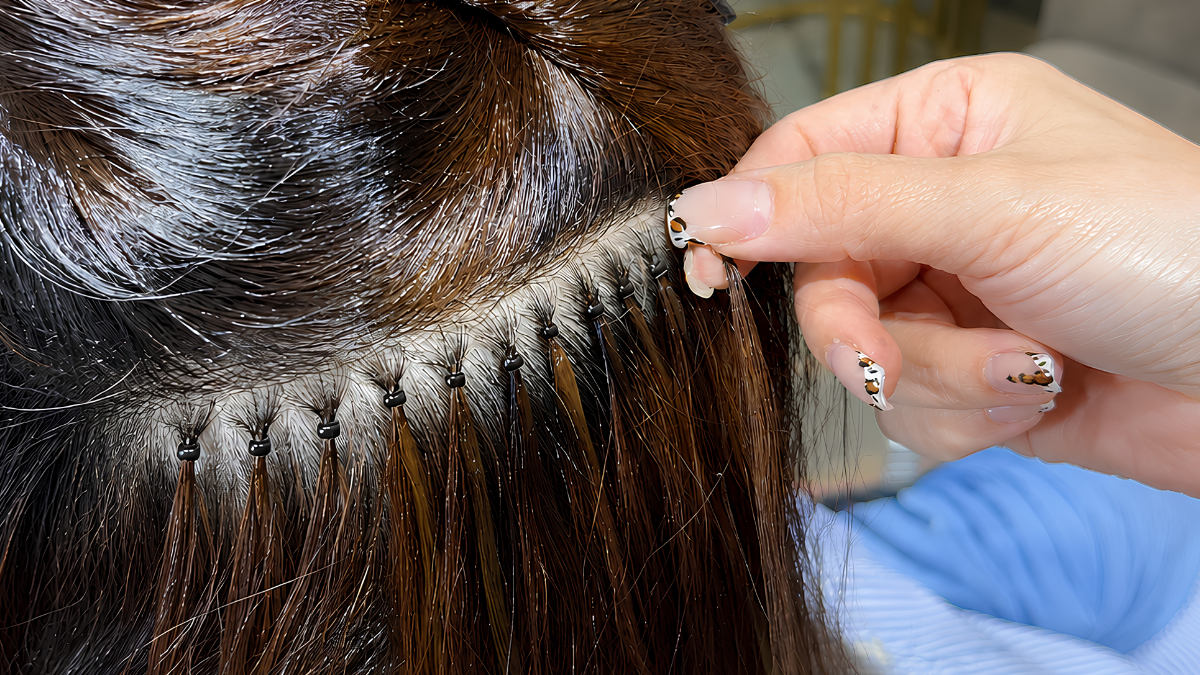
Tape extensions use wider, flat sections, while keratin, Ice and ring methods attach extension hair in individual strands.
Tapes may offer a faster installation and distribute extension hair across a wider area. Strand-by-strand methods allow more individual control in certain placements and hairstyles.
Neither method is universally better. The correct choice depends on the client’s natural hair, desired result, maintenance preferences and lifestyle.
Book Your Tape-Extension Consultation at Hani Hair Dubai
A successful tape-extension transformation begins with the correct assessment, hair selection and placement plan.
At Hani Hair in JLT, Dubai, our hair-extension specialists offer customised regular and invisible tape applications designed around your natural hair, desired length, preferred volume and lifestyle.
Contact Hani Hair to arrange a consultation and discover whether tape-in extensions are the right method for your hair.
Related Posts
Why Are Ice and CombLine Extensions the Best Combination for Length, Volume and Thin Areas?
-
Posted by
Hani Hair
Why Is CombLine Ideal for the Front, Top and Crown Areas With Low Hair Density?
-
Posted by
Hair Extensions for Short Hair: How Short Is Too Short?
-
Posted by
Do Hair Extensions Damage Your Natural Hair? The Honest Answer
-
Posted by
How Long Do Hair Extensions Last? Maintenance Schedules for Every Method
-
Posted by
6D Hair Extensions in Dubai: Manual vs Electric Application, Benefits and Aftercare
-
Posted by
Ice Hair Extension Maintenance: What Happens During a Refill Appointment?
-
Posted by
How Many Hair Extensions Do You Need for a Full Head?
-
Posted by
Which Hair Extension Method Is Best for Fine or Thin Hair?
-
Posted by
Ice vs Keratin Hair Extensions: Which Method Is Right for You?
-
Posted by
Clip-In Hair Extensions in Dubai: Instant Length and Volume Without Commitment
-
Posted by
Ring Hair Extensions in Dubai: Micro Rings, Nano Rings and Everything You Need to Know
-
Posted by