Blog
Ring Hair Extensions in Dubai: Micro Rings, Nano Rings and Everything You Need to Know
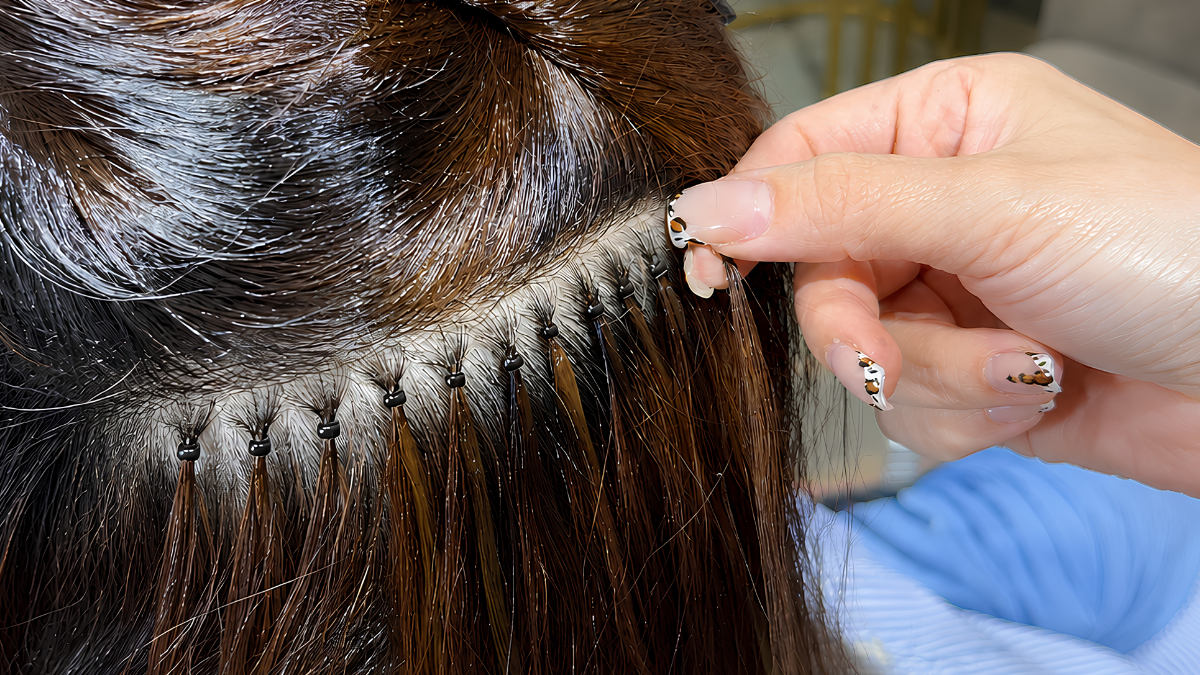
If you want longer or fuller hair without adhesive or heat during installation, ring hair extensions may be a suitable option. This strand-by-strand method uses tiny rings to secure extension hair to carefully selected sections of natural hair.
At Hani Hair in JLT, Dubai, every ring-extension application is customised according to the client’s natural hair, density, colour, desired result and lifestyle. Choosing the correct ring, extension strand and placement pattern is essential for creating a comfortable and natural-looking result.
What Are Ring Hair Extensions?
Ring hair extensions are individual extension strands attached to the natural hair using small metal rings or beads.
During application, the stylist threads a carefully sized section of natural hair through a ring. The extension tip is positioned inside, and the ring is gently closed with professional extension pliers to hold everything securely in place.
The method does not require glue, adhesive tape or heat during installation. The extensions are individually distributed throughout the hair, giving the stylist precise control over placement, length and density.
Ring extensions are also commonly described as:
- Micro-ring extensions
- Micro-bead extensions
- Micro-link extensions
- Nano-ring extensions
- Nano-tip extensions
- I-tip or stick-tip extensions
These names sometimes describe different components of the system, so a professional consultation is important.
What Is the Difference Between Micro Rings and Nano Rings?
The main differences are the size of the ring and the type of extension tip inserted into it.
Micro-Ring Hair Extensions
Micro-ring extensions generally use a small ring with an I-tip or stick-tip extension strand. The tip and a section of natural hair are held together inside the ring.
Micro rings are larger than nano rings, making them easier to grip during installation and maintenance. They can work particularly well when the natural hair has enough density to conceal the attachment points.
Because each strand is installed separately, micro rings can be distributed to create length, volume or targeted fullness.
Nano-Ring Hair Extensions
Nano rings are considerably smaller and are designed to work with nano-tip extension strands. A nano-tip strand normally has a very fine wire or flexible loop at the top that fits inside the tiny ring.
The smaller attachment can be more discreet, particularly when the hair moves or is styled. Nano rings may therefore be considered for clients who need finer, less noticeable attachment points.
However, smaller does not automatically mean suitable for everyone. The stylist must consider the strength, density and condition of the natural hair before selecting a method.
Are There Different Ring Sizes?
Yes. Ring extensions are available in nano, micro and sometimes mini or intermediate sizes. However, these descriptions are not completely standardised, and exact measurements can vary between manufacturers.
In general:
- Nano rings are the smallest and are used with nano-tip extensions.
- Micro rings are slightly larger and usually accommodate I-tip or stick-tip extensions.
- Mini or intermediate rings fall somewhere between the two, depending on the supplier.
- Larger micro beads may accommodate thicker extension tips or larger sections of natural hair.
The ring size should not be selected based only on how invisible it appears. It must also be compatible with the extension tip and provide enough support for the selected section of natural hair.
At Hani Hair, we assess the client’s hair before choosing the ring size, colour, internal lining and extension weight.
How Are Ring Hair Extensions Applied?
The appointment begins with a consultation and assessment of the client’s natural hair, scalp, haircut, density and desired result.
The application usually involves the following steps:
- The natural hair and extension colour are carefully matched.
- The stylist plans the number of strands and their placement.
- The natural hair is sectioned into clean, organised rows.
- A small section of natural hair is threaded through the selected ring.
- The extension tip is inserted into the ring.
- The ring is positioned at a safe distance from the scalp.
- Professional pliers are used to close and secure the ring.
- The extensions are blended and shaped into the client’s haircut.
The rings should not be positioned too tightly against the scalp. Correct spacing allows natural movement and helps the extensions feel more comfortable.
Application time depends on the number of strands, the starting hair and the desired length and density.
What Results Can Ring Extensions Create?
Ring hair extensions can be used to:
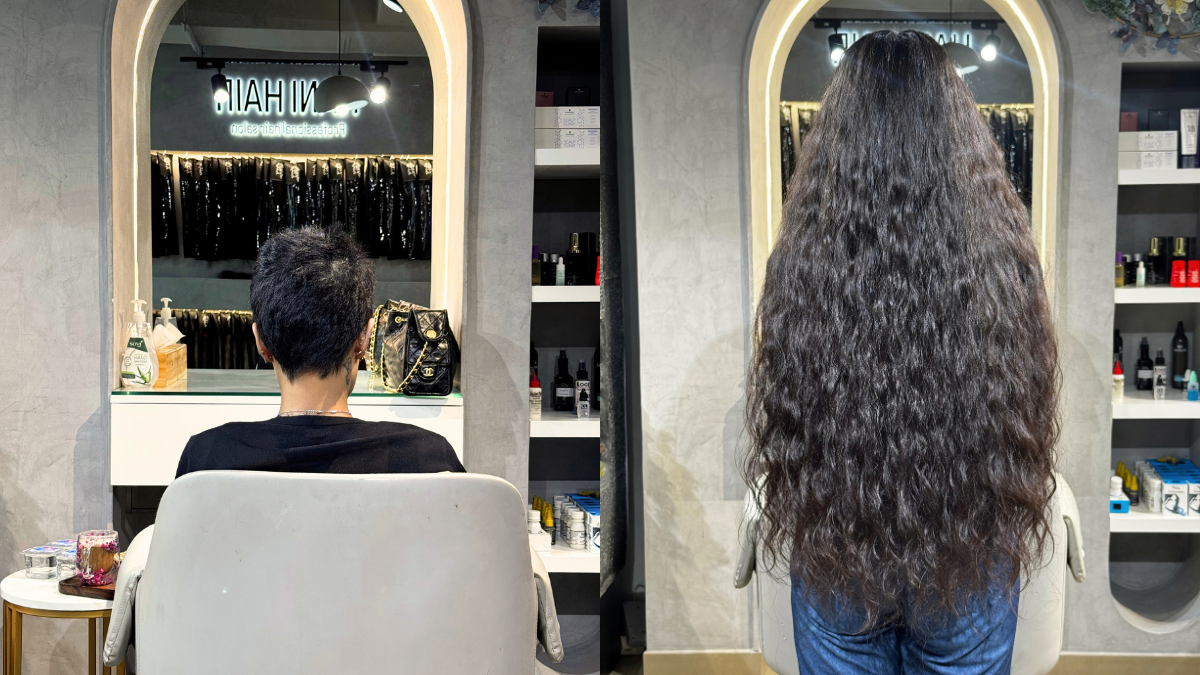
- Add length to short or medium-length hair
- Create fullness through fine or low-density lengths
- Make thin ends appear thicker
- Add volume around selected areas
- Correct an uneven or difficult haircut
- Add highlights or colour dimension without colouring all the natural hair
- Create more shape and movement
- Support a customised strand-by-strand transformation
The final result depends on the quality and quantity of the extension hair, professional placement, colour matching, haircut and aftercare.
What Are the Benefits of Ring Hair Extensions?
Clients may choose ring extensions because they offer:
- No glue or tape during installation
- No heat used to secure the rings
- Individual, strand-by-strand placement
- Customised distribution and density
- Natural movement
- Different ring sizes and colours
- The possibility of professional removal and reapplication
- Easy access to the scalp for washing and drying
Because the strands are applied individually, the stylist has precise control over where fullness and length are added.
Who May Be Suitable for Ring Extensions?
Ring extensions may be considered for clients who have:
- Healthy natural hair with sufficient strength
- Enough density to support and conceal the rings
- Short or thin ends that need more fullness
- A suitable starting length for blending
- The ability to attend regular maintenance appointments
- A willingness to follow professional aftercare instructions
A consultation is necessary because suitability cannot be determined by photographs alone.
When Might Ring Extensions Not Be Recommended?
Ring extensions may not be appropriate for every hair or scalp condition.
A stylist may recommend another method or postpone installation if the client has:
- Active or unexplained hair loss
- Significant breakage or severely weakened hair
- An irritated, inflamed or injured scalp
- Very fragile hair that cannot safely support the selected strands
- Insufficient density in the intended placement areas
- Difficulty attending regular maintenance appointments
- A habit of pulling, picking or repeatedly touching attachments
Hair extensions are a cosmetic service and not a treatment for hair loss. Anyone experiencing sudden, active or unexplained shedding should consult an appropriate healthcare professional.
How Long Do Ring Extensions Last?
The extension hair may be reusable if its quality remains suitable and it has been cared for correctly. However, the attachment position changes as the natural hair grows.
For this reason, maintenance is commonly required approximately every six to eight weeks, although the correct schedule varies according to:
- Natural hair growth
- Hair density and condition
- Ring and extension type
- Placement
- Scalp oiliness
- Lifestyle
- Home care
- Natural shedding
Clients should follow the individual schedule recommended by their extension specialist.
What Happens During Maintenance?
As the natural hair grows, the rings gradually move farther away from the scalp. Naturally shed hairs can also remain held inside the attachments.
During a professional maintenance appointment, the stylist generally:
- Checks the scalp and natural hair
- Opens and removes the existing rings
- Releases naturally shed hair
- Detangles the attachment areas
- Examines the extension strands
- Replaces the old rings with new ones
- Repositions suitable extension hair closer to the root
- Restores the placement and blending
Waiting too long between appointments may increase movement, twisting, tangling and unnecessary pressure on the natural hair.
Can Ring Extensions Be Removed and Reused?
In many cases, good-quality extension strands can be reapplied.
The stylist opens each ring with professional pliers and carefully releases the extension strand and natural hair. New rings are normally used when the extensions are reinstalled.
Whether the hair can be reused depends on its condition, quality, length, colour and previous aftercare. Damaged or excessively worn extension hair may need to be replaced.
Never pull out or attempt to remove ring extensions at home.
Is Some Shedding Normal?
A small amount of gradual extension loss or natural shedding may occur between appointments.
Natural hair goes through a normal shedding cycle. Some released hairs remain trapped inside the ring until maintenance, which can look like a small cluster when the attachment is removed.
Contact your stylist if you experience:
- Sudden or excessive extension loss
- Pain or persistent pulling
- Scalp irritation
- Severe tangling near the roots
- Rings twisting or hanging unusually
- Several attachments slipping in the same area
Do not tighten, reposition or remove the rings yourself.
Micro Rings or Nano Rings: Which Is Better?
Neither method is automatically better for every client.
Micro rings may provide a practical and secure attachment when the natural hair has enough density to conceal them. Nano rings offer a smaller attachment that may be more discreet in suitable hair.
The best option depends on:
- Natural-hair strength and density
- Root colour
- Desired placement
- Required extension weight
- Lifestyle and styling habits
- Maintenance commitment
- Compatibility between the ring and extension tip
A professional assessment is the safest way to choose between micro and nano rings.
Book Your Ring Hair-Extension Consultation at Hani Hair Dubai
Beautiful ring extensions depend on much more than choosing the smallest attachment. The ring size, strand weight, placement, colour matching and maintenance plan must work together with the client’s natural hair.
At Hani Hair in JLT, Dubai, our hair-extension specialists assess your hair and recommend the most suitable method for your desired length, volume and lifestyle.
Contact Hani Hair to book your personalised consultation and discover whether micro-ring or nano-ring extensions are right for you.
Related Posts
Why Are Ice and CombLine Extensions the Best Combination for Length, Volume and Thin Areas?
-
Posted by
Hani Hair
Why Is CombLine Ideal for the Front, Top and Crown Areas With Low Hair Density?
-
Posted by
Hair Extensions for Short Hair: How Short Is Too Short?
-
Posted by
Do Hair Extensions Damage Your Natural Hair? The Honest Answer
-
Posted by
How Long Do Hair Extensions Last? Maintenance Schedules for Every Method
-
Posted by
6D Hair Extensions in Dubai: Manual vs Electric Application, Benefits and Aftercare
-
Posted by
Ice Hair Extension Maintenance: What Happens During a Refill Appointment?
-
Posted by
How Many Hair Extensions Do You Need for a Full Head?
-
Posted by
Which Hair Extension Method Is Best for Fine or Thin Hair?
-
Posted by
Ice vs Keratin Hair Extensions: Which Method Is Right for You?
-
Posted by
Clip-In Hair Extensions in Dubai: Instant Length and Volume Without Commitment
-
Posted by
Tape-In Hair Extensions in Dubai: Types, Benefits, Application and Aftercare
-
Posted by